WHA79 & The Great Rotation: A Strategic Administrative Briefing for the Geneva Corps


As the floral displays along the Quai Wilson signal the peak of the Swiss spring, the diplomatic community in Geneva finds itself at a unique administrative crossroads. This week, two massive institutional cycles collide: the final operational countdown for the 79th World Health Assembly (WHA79) and the critical "Notice Period" window for the Summer Diplomatic Rotation.
For any Head of Administration or Chef de Cabinet, May 11 is not merely a date on the calendar—it is a final deadline to mitigate what is known in Switzerland as Administrative Risk. This concept refers to the invisible legal and financial traps that occur when high-level diplomatic protocol moves faster than the Swiss domestic regulations that govern it.
I. The WHA79 Liability Gap: Managing Temporary Staff
In exactly seven days, Geneva will host the largest health delegation on the planet. To meet the surge in demand, Missions are currently scaling up their logistics, hiring temporary drivers, liaison officers, and extra security details.
However, a common misconception in the Chancery is that diplomatic immunity extends to the waiver of domestic labor standards. Under the Swiss Host State Act, the Mission (and often the Ambassador personally) enters into a zone of high domestic liability the moment a private contract is signed for temporary help.
"Immunity is a shield for the Mission’s sovereign functions, but it is not a vacuum for Swiss social mandates. When a temporary driver or translator is hired for a 10-day summit, the 'employer' responsibility is absolute in the eyes of the Swiss authorities."
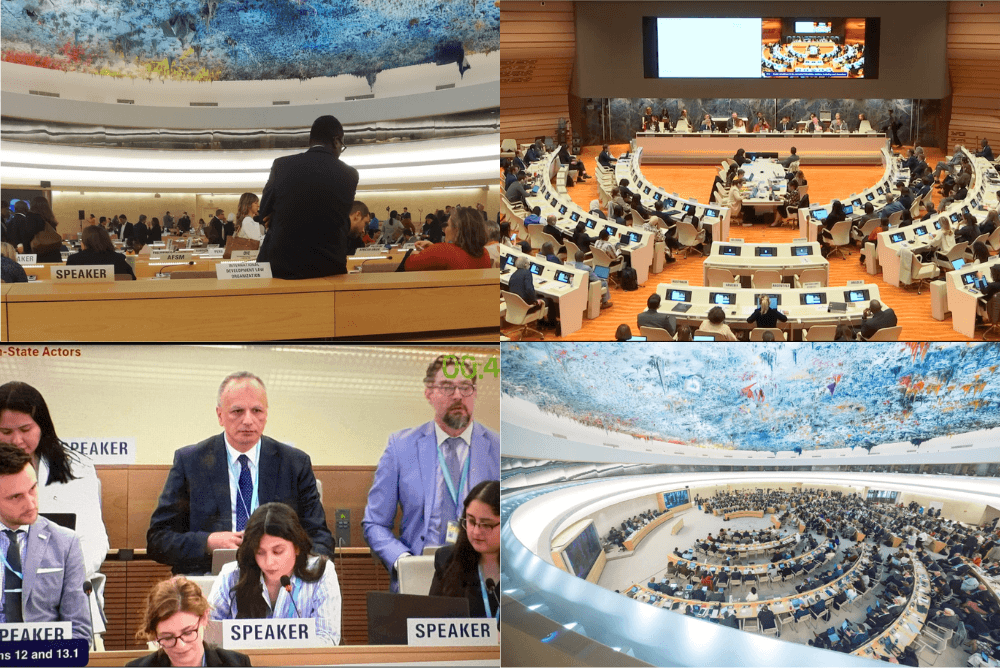
The "Hidden" Obligation: The Swiss LAA (Accident Insurance) is mandatory for anyone working on Swiss soil, even for a five-day summit. If a temporary staff member is injured while transporting a delegation member, and a valid Swiss-compliant policy is not active, the Mission faces a permanent financial claim that cannot be "protocolled away."
Best Practice: Before the first motorcade leaves Cointrin, ensure that all temporary hire contracts have been audited for LAA and AVS compliance. In the 2026 regulatory climate, the cost of a short-term policy is a negligible fraction of the reputational risk involved in a domestic labor dispute.
WHA79 2026 AGENDA
II. The VAT "Black Hole": Precision in Form 74.15
The WHA79 represents one of the largest single-week expenditures for many Ministries of Foreign Affairs. From five-star hotel blocks to high-level catering, the VAT (TVA) leakage can be staggering. At the current Swiss rate of 8.1%, a delegation spending 250,000 CHF on logistics is effectively leaving over 20,000 CHF on the table if protocol is not followed.
The friction point is almost always Federal Form 74.15:
Mission Exemption (Source) Form AA
Personal Exemption (Source) Form BB
Exceptional Reimbursement Form D
The Check-in Protocol: Hotels are often unable to retroactively apply VAT exemptions once a bill is closed or paid via a corporate credit card that lacks the institutional "link."
The Signature Requirement: To qualify for the exemption at the source, the hotel must have a signed 74.15 before or at the moment of check-in.
Administrative Insight: Fiduciary management in 2026 requires a "Zero-VAT" check-in protocol. For Missions operating under strict home-capital budgets, recovering these funds is no longer just a perk—it is a fiduciary obligation to the taxpayers of the home state.
III. The 90-Day Clock: The May 11 "Rotation" Deadline
While the WHA79 dominates the headlines, a quieter, more personal crisis is brewing for officials preparing for the Summer Rotation. In Switzerland, the "Rule of Three" is the bedrock of administration: most residential leases and high-end insurance contracts require a 3-month written notice period to terminate.
For those scheduled to surrender their Carte de Légitimation and depart in mid-August, today—May 11—is the literal final warning.
The "Diplomatic Clause" Fallacy:
A frequent error among arriving diplomats is believing the "Diplomatic Clause" in a rental contract allows for an instant departure. In reality, this clause simply allows for termination outside of the official yearly dates (usually March, June, or September), but it still requires the 90-day notice. The Asset Transition: Departure is also the moment of highest risk for your 3rd Pillar (3a/3b) and Swiss-based assets. Closing these accounts in a rush during the August heat often leads to the loss of years of tax advantages. Strategic planning should begin today, while the official status is still active, to ensure that these "Swiss-made" savings are correctly transitioned into portable, global structures.
The Need for Institutional Continuity:
The complexity of International Geneva is not found in the grand halls of the Palais, but in the fine print of the Host State Act. Whether it is auditing the Mission’s VAT recovery before the WHA79 rush or ensuring that a departing official’s 3rd Pillar is protected, Nouveau en Suisse remains committed to the administrative stability of the diplomatic corps.
The goal is simple: ensure that the Excellency’s focus remains on the Health Assembly and Global Policy, while the administrative foundation of the Mission remains unshakable.
WHA79 Operational Checklist:
-VAT Accuracy: Confirm all hotel blocks have signed Form 74.15 on file.
-LAA Compliance: Verify accident insurance for all temporary/local hires.
-Rotation Notice: Confirm all departure notices for August were mailed by today, May 11.