The Biometric Shift: Navigating the 2026 NFC Card Update


For the Geneva and Bern diplomatic communities, the "Legitimation Card" has long been the gold standard of status. However, as Switzerland integrates further into the European digital border infrastructure, the physical card is undergoing its most significant evolution in a decade.
By mid-2026, the FDFA (DFAE) will complete the rollout of the new NFC-enabled Biometric Legitimation Card. This is not merely an aesthetic update; it is a fundamental shift in how Mission members interface with Swiss authorities and Schengen border controls.
What is Changing?
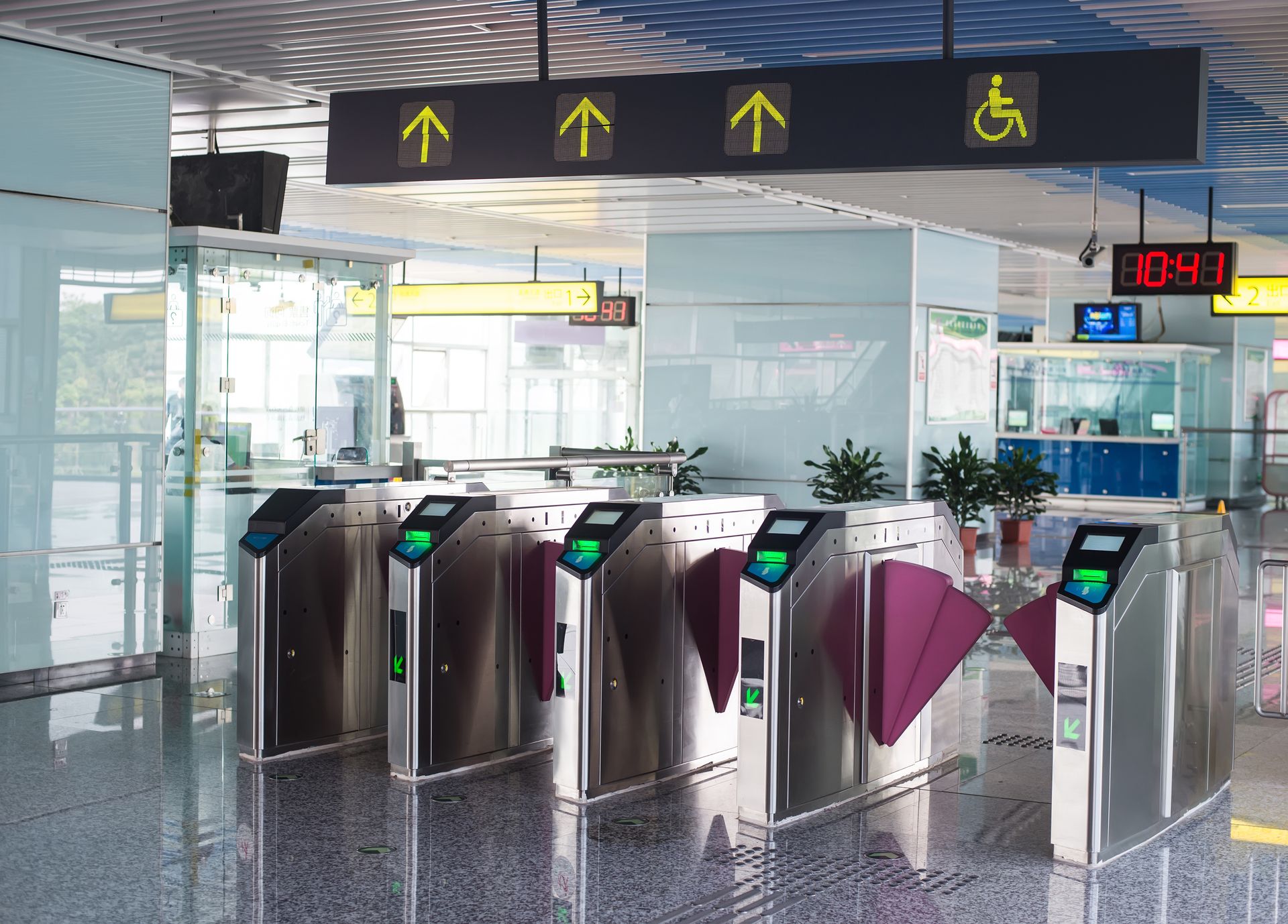
The 2026 generation of cards features an embedded Near Field Communication (NFC) chip containing encrypted biometric data. For the first time, your status is "readable" by the automated gates (e-gates) at Geneva Cointrin and Zurich Kloten, as well as across the Schengen zone.
The "Digital Border" Impact for Missions Historically, diplomatic card holders often faced delays at manual passport booths. The new update allows for:
-Accelerated Transit: Integration with the EU Entry/Exit System (EES), allowing diplomats to utilize biometric lanes.
-Instant Verification: Real-time validation of your "Legitimation" status, reducing friction with Cantonal police or border guards who may be unfamiliar with specific Mission privileges.
-Enhanced Security: The NFC chip uses the same high-level encryption as the Swiss biometric passport, making the card virtually impossible to forge.
The Chancery "How-To": Managing the Transition For Administrative Attachés and Heads of Chancery, the 2026 rollout requires a proactive approach:
-The Audit: Begin a Mission-wide audit of cards expiring in 2026. The FDFA will prioritize new issuances, but "early-adopter" requests for high-travel staff are recommended.
-The Protocol Shift: Ensure all staff understand that while the card is digital, the physical presence of the card is still legally required for all border crossings.
-Data Privacy: The FDFA has confirmed that NFC data is restricted to identity verification and does not track location—a key concern for sensitive diplomatic missions.
Maintaining a seamless interface with Swiss federal authorities demands a proactive approach to evolving regulations. Whether addressing the nuances of social insurance or the specifics of the 2026 biometric rollout, the goal is the same: the mitigation of administrative risk. Mastery of these host-state requirements ensures that the internal mechanics of the Mission remain invisible, providing the necessary stability for high-level diplomacy to flourish unimpeded.