The 2026 Diplomatic Playbook: Managing Your Mission Amidst Switzerland’s Digital and Geopolitical Transition.


As 2026 unfolds, the diplomatic corps in Bern and Geneva finds itself at the center of a "Triple Transition." For Heads of Mission and senior diplomats, this year is defined by an unprecedented convergence of high-stakes multilateral leadership, a fundamental resetting of Swiss-EU relations, and a rapid digital overhaul of the federal administrative apparatus.
Maintaining operational excellence in this environment requires more than traditional protocol; it requires a strategic understanding of how these three shifts intersect.
1. The OSCE Chairpersonship: Beyond the "Good Offices"
With Switzerland assuming the OSCE Chairpersonship for 2026, the administrative and cognitive load on every accredited mission has increased. Under the leadership of Federal Councillor Ignazio Cassis, the Swiss mandate is focused on the "Helsinki Principles" and the "ability to act" in an era of fragmented security.
Strategic Calendar for Missions: The year is anchored by four thematic conferences that demand high-level participation:
May 7–8 (Geneva): Anticipating Technologies. A critical session on how AI and quantum computing impact conflict prevention.
September 3–4 (Bern): The Founding Process. A reflection on the OSCE’s core purpose, coinciding with the International Conference of Editors of Diplomatic Documents.
September 29–30 (Zug): Cyberspace De-escalation. A focus on mediation in the digital domain.
December 3–4 (Proposed Lugano): The Annual Ministerial Council, the year’s capstone event.
For missions, this translates to a relentless cycle of delegation management and the need for nuanced reporting on Switzerland’s attempt to revitalize a "paralyzed" organization.

2. Bilaterals III: The New Swiss-EU Architecture
The signing of the "Bilaterals III" package on March 2, 2026, marks a historic pivot. For diplomats from EU and non-EU states alike, this affects the "Swiss Bubble" in several ways:
Research & Education: Switzerland’s full association with Horizon Europe and Erasmus+ is now in a retroactive implementation phase. This stabilizes the environment for diplomatic families seeking high-level university integration and research collaboration.
Labor Market Dynamics: Adjustments to "Measure 14" (wage protection) provide greater legal certainty for employers, including the international organizations and missions that employ local staff.
The March Votes: While the package is signed, it faces a period of intense domestic debate. Diplomats should monitor the "Compass" initiative and the "No 10 million Swiss" initiative, both of which could influence the implementation of the new treaties by summer.
3. The Digitalization of the FDFA: Consular Strategy 2026–2029
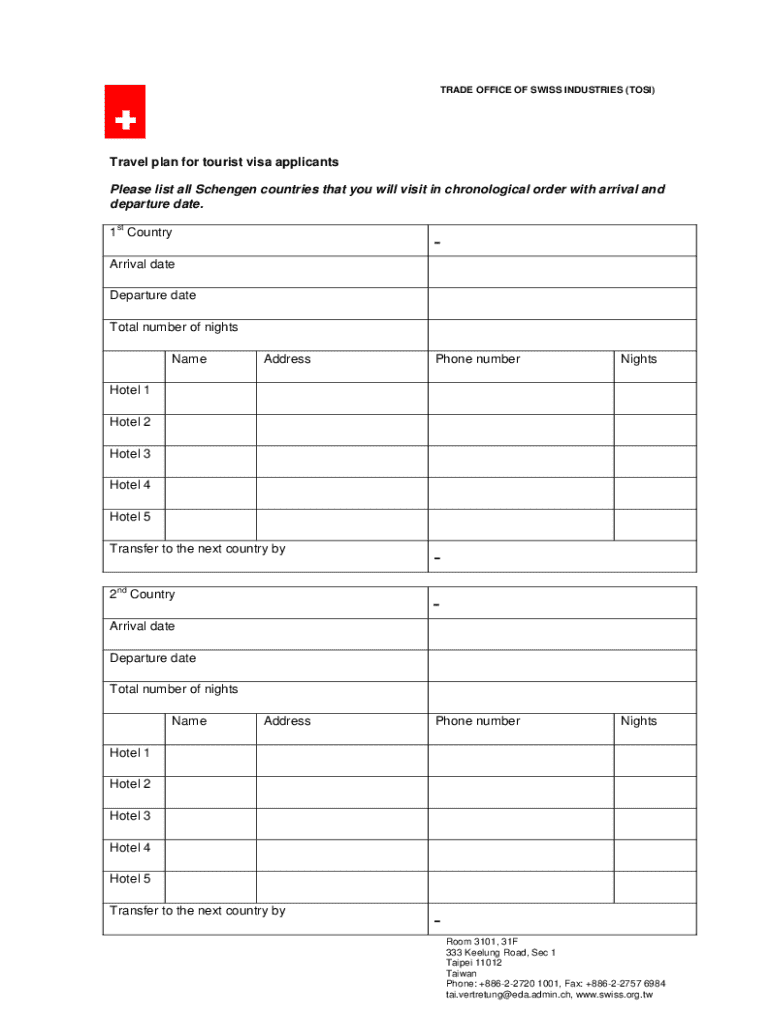
Perhaps the most immediate change for Chancery staff is the launch of the Consular Strategy 2026–2029. Switzerland is moving toward a "Digital First" model that utilizes Artificial Intelligence to manage its 700,000 annual visa applications and administrative services.
What This Means for Mission Administration:
AI-Driven Interface: The Federal Department of Foreign Affairs (FDFA) is piloting AI-screening for visas to enhance security. Chanceries must prepare for more rigorous digital data standards.
The e-ID Rollout: The 2026 introduction of the Swiss electronic identity (e-ID) will eventually streamline how accredited personnel interact with both federal and cantonal authorities, moving most "counter-top" tasks to secure mobile applications.
VAT & Protocol Forms: Updated versions of the VAT exemption forms (Forms A, B, C, and D) were released in January 2026. Missions are encouraged to adopt the new digital filing protocols to ensure the CHF 100 minimum threshold for recovery is managed efficiently across the mission’s annual portfolio.
Conclusion: A Year of Professional Agility
The year 2026 marks a departure from the "stable neutrality" of the past decade. For the diplomatic corps, the convergence of the OSCE leadership, the Bilaterals III ratification, and the FDFA’s digital strategy represents a fundamental shift in how "International Switzerland" operates. Success for a mission today is no longer measured solely by the quality of political reporting. It is measured by operational agility. As the Swiss administration moves toward AI-integrated services and digital IDs, the analogue mission risks falling behind in both efficiency and influence.The modern diplomat in Bern or Geneva must now be as proficient in digital governance as they are in multilateral negotiation. Switzerland is currently a living laboratory for the future of the profession—a place where the heritage of the Helsinki Principles meets the cutting edge of a "Digital First" confederation. In this transition, those who anticipate the administrative shift will be best positioned to influence the geopolitical one.