The “Right to a Plug” in the Diplomatic Quarter: Negotiating EV Infrastructure with Geneva Régies


As the diplomatic corps in Geneva pivots toward sustainable mobility—driven both by sovereign carbon-neutral mandates and the sheer performance of modern EVs—a new administrative friction has emerged: Residential Infrastructure. Following our previous discussion on the "Fuel Revolution" and the transition to CD-plated electric vehicles, we must address the most common hurdle for Mission staff: The charging station negotiation. In a real estate market as rigid as Geneva’s, requesting an EV charger from a Régie (property manager) is not merely a tenant request; it is a technical and legal negotiation. Here is how to navigate it with the precision expected of your status.

The Legal Landscape: Why "Asking" is Not Enough
Unlike neighboring jurisdictions, Switzerland does not yet grant a statutory "Right to a Plug." A landlord can, in theory, refuse the installation of a charging station. However, for the Diplomatic Corps, the refusal is rarely about the environment—it is about risk and complexity. To move the needle, your request must solve the landlord’s two primary fears: Fire Safety and Grid Overload.
Leveraging the SIA 2060 Standard
The most effective way to gain approval is to speak the language of Swiss engineering. Any proposal must reference SIA 2060. This Swiss standard governs the installation of charging infrastructure and provides the framework for Dynamic Load Management.
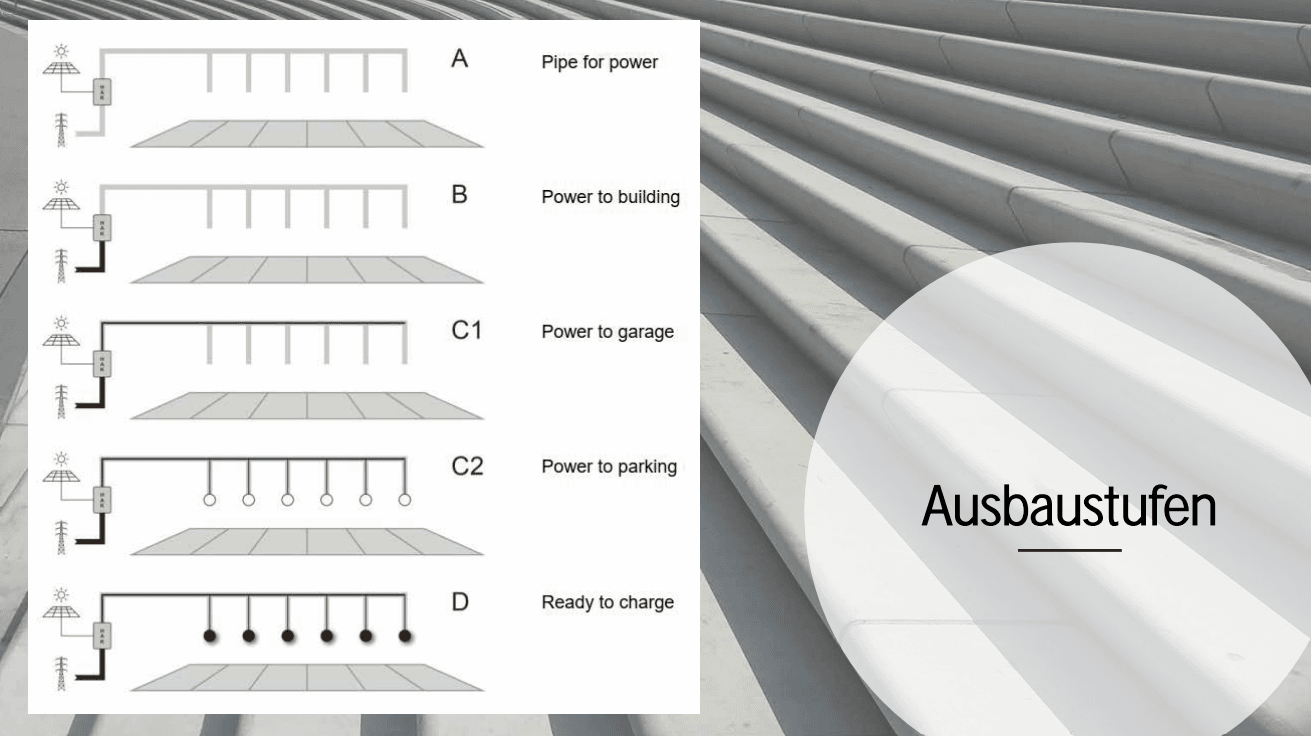
When communicating with a Régie, emphasize that the proposed installation will use a system that monitors the building’s total electricity consumption, ensuring that your vehicle only draws power when the building's capacity allows. This removes the "blackout risk" that makes property managers hesitate.
The "Property Valorization" Argument
For high-ranking officials residing in private villas in Cologny, Chambésy, or the Old Town, the angle is Asset Preservation. A parking space without EV capability will be considered "sub-standard" by 2030. By proposing an installation today—potentially supported by SIG (Services Industriels de Genève) "éco21" subsidies—you are not just asking for a favor; you are advising the landlord on how to future-proof their investment at a lower cost.
The Diplomatic Protocol for Installation
A phone call to the Régie is rarely successful. For our clients, we recommend a formal Technical Dossier presented through the Administrative Attaché or via a formal letter of intent that includes:
-A Technical Layout: Showing SIA 2060 compliance.
-Insurance Clarification: Confirmation that the "Special Regime" protections do not preclude standard liability coverage for the hardware.
-Subsidy Identification: A breakdown of available cantonal grants that reduce the landlord’s capital expenditure.
Navigating the "Special Regime" Friction
Mission housing often falls under specific diplomatic lease clauses. Ensuring that the installation remains a "fixed asset" of the building while the diplomat retains the "right of use" is a delicate legal balance.
If you are facing resistance from your Régie or require a technical audit of a potential residence’s electrical capacity before signing a lease, our office provides specialized mediation. We bridge the gap between diplomatic requirements and Swiss property management constraints.
For a confidential assessment of your residence’s EV compatibility or to receive our "Landlord Negotiation Template," please contact our Diplomatic Advisory desk.