Strategic Advisory: Preparing for the 2026 ITU Council and High-Level Tech Diplomacy


The convening of the 2026 ITU Council (C26) on April 28 marks the commencement of the most critical technical vetting period in the current 2024–2027 Strategic Plan. As the Union moves to finalize the WSIS+20 roadmap, Permanent Missions are faced with a dual-track challenge: the management of high-density technical delegations and the alignment of sovereign policy with emerging global AI norms.
I. The Institutional Priority: WSIS+20 and PP-26 Alignment
The primary objective of the C26 session is the stabilization of the Union’s financial and operational frameworks ahead of the ITU Plenipotentiary Conference (PP-26). For the Geneva Diplomatic Corps, this session is less about routine administration and more about the protection of national interests within the digital "Common Agenda."
The focus remains on the "Dynamic Alignment" of infrastructure—specifically the energy-intensive demands of AI data centers and the saturation of Low Earth Orbit (LEO) frequency allocations. Missions must ensure that incoming technical delegates from national regulatory authorities (NRAs) are briefed on the specificities of the Swiss administrative environment, particularly regarding data sovereignty under the revised Federal Act on Data Protection (nLPD).

II. The Parallel: GAIGI and Normative Interoperability
While the ITU provides the physical and frequency-based infrastructure for global connectivity, the Geneva AI Governance Institute (GAIGI) is currently establishing the normative architecture that will govern its usage.
Engagement with GAIGI’s ongoing "Regulatory Crosswalks" is no longer an academic exercise but a technical necessity. This week’s focus at GAIGI on Interoperability—the ability for disparate national AI laws to "speak" to one another—directly informs the negotiations occurring at the ITU. A Mission’s stance at the ITU Council is incomplete without the integration of the multi-stakeholder governance models currently being stress-tested by GAIGI. Failure to bridge this gap results in a "Policy Silo" that leaves a delegation’s long-term digital strategy vulnerable to shifting international standards.
III. Logistical Integrity and Protocol Risk
The arrival of Ministerial-level delegations for the ITU Council necessitates a rigid adherence to Swiss Federal Protocol. The logistical density around the Place des Nations and the CICG requires preemptive coordination with the Protection de Police (PPI).
From an administrative perspective, the hosting of these delegations carries a "Fiscal Footprint" that must be managed with institutional precision. The application of Form 25 (VAT/TVA recovery) is not merely a cost-saving measure but a requirement for maintaining the fiscal neutrality of the Mission. Technical errors in these filings or the failure to document reciprocity-based administrative expenditures represent a breach of fiduciary oversight that can complicate a Mission’s federal audit.
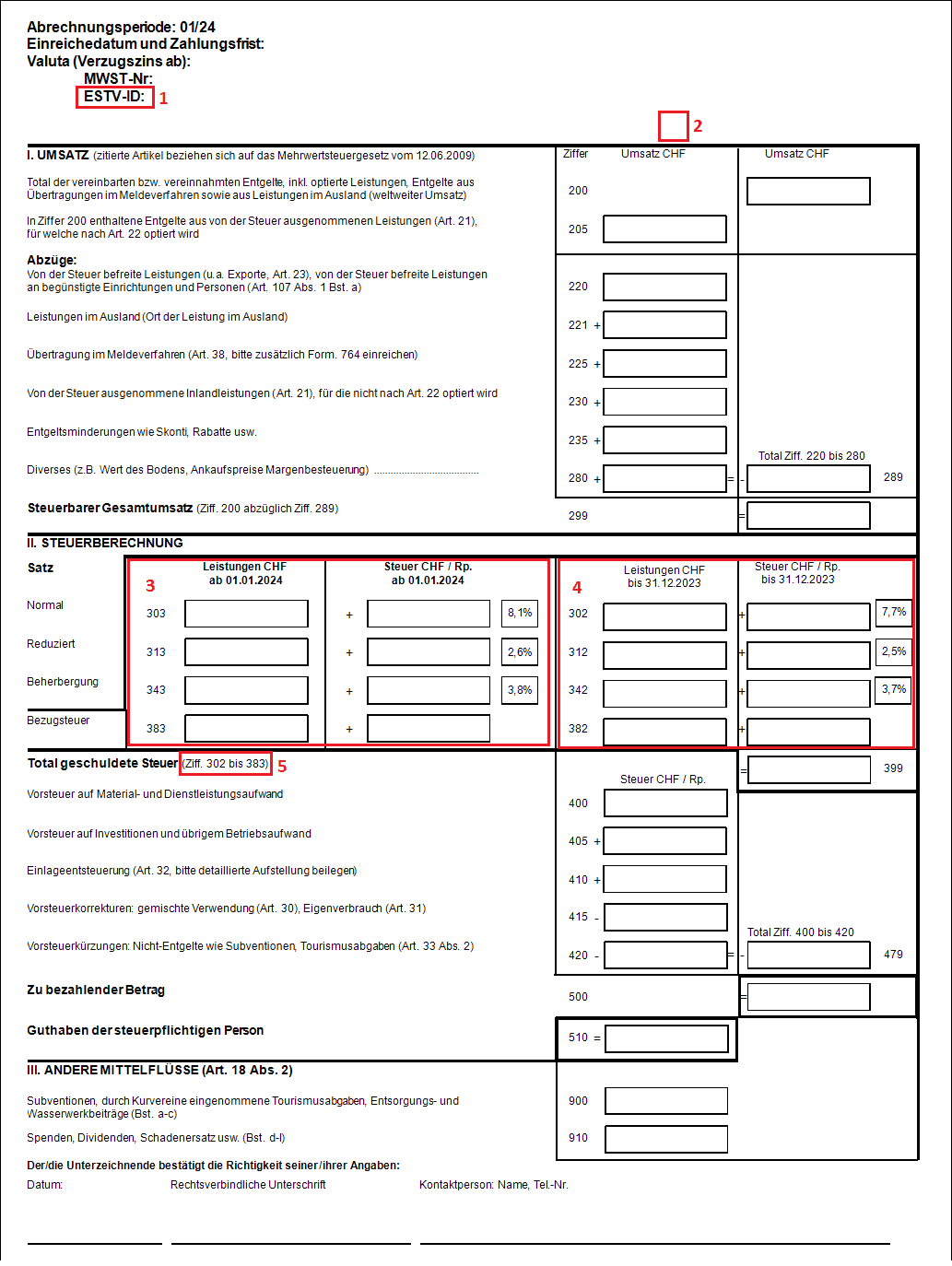
For restricted access to our technical briefings on Fiscal Recovery (Form 25) or Diplomatic Real Estate Compliance (Lex Koller) for the 2026-2027 cycle, we invite you to consult our institutional channels or request a private technical inquiry.
[FINMA Register: F01506548 | CICERO Certified: 43076] Strategic discretion is maintained in accordance with the Swiss Federal Act on Data Protection (nLPD).